Choosing the right pipe material is one of the most important decisions for any water supply, drainage, irrigation, or industrial pipeline project. Two of the most widely used plastic piping systems today are HDPE Pipe (High-Density Polyethylene) and PVC Pipe (Polyvinyl Chloride).
Both materials offer excellent durability and corrosion resistance, but they are designed for different applications and operating conditions. Selecting the wrong pipe may increase installation costs, maintenance expenses, or even reduce the lifespan of your pipeline.
In this guide, we compare HDPE Pipe vs PVC Pipe in terms of material properties, flexibility, strength, installation, service life, cost, and applications to help you choose the best solution for your project.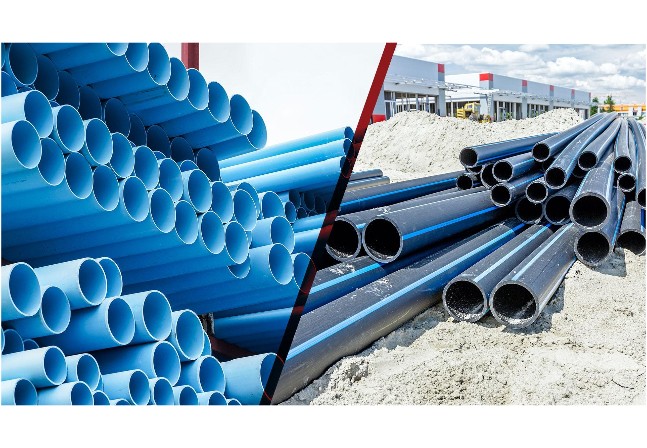
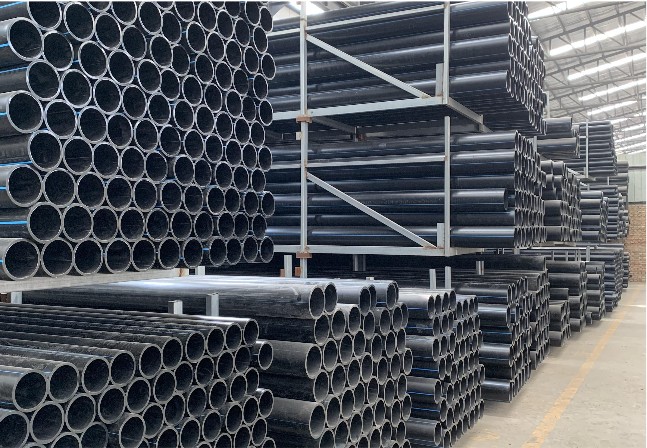
HDPE pipe is manufactured from high-density polyethylene resin, typically PE80 or PE100. It is known for its excellent flexibility, impact resistance, and leak-free fusion joints.
Because of these advantages, HDPE pipes are widely used for:
Municipal water supply
Gas distribution
Agricultural irrigation
Mining pipelines
Industrial fluid transportation
Marine pipelines
Fire protection systems
PE100 HDPE pipe has become the preferred choice for many large infrastructure projects due to its high pressure resistance and long service life.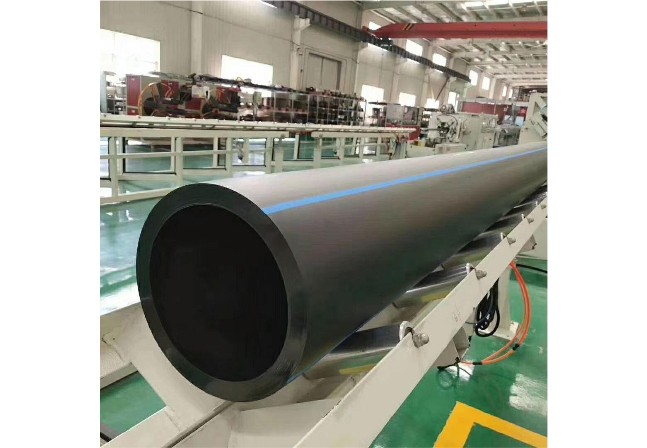
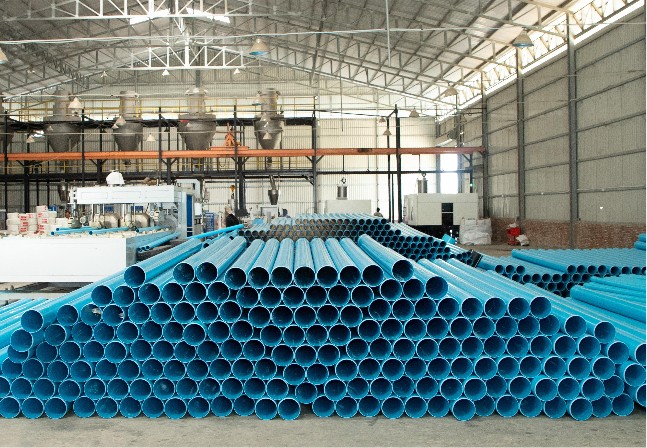
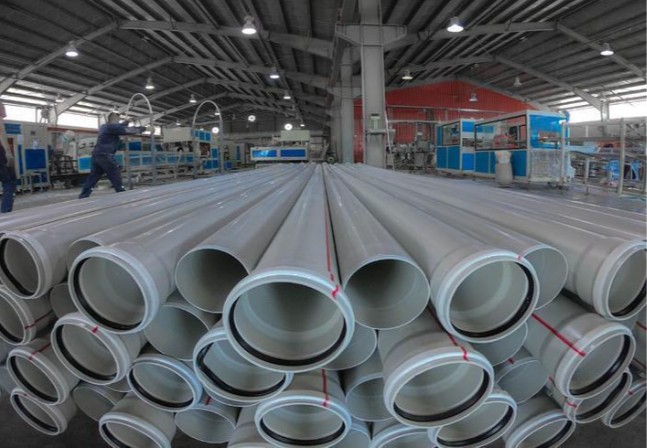
PVC pipe is produced from polyvinyl chloride and is one of the most common plastic piping materials worldwide.
PVC pipes are lightweight, rigid, easy to install, and cost-effective.
They are commonly used in:
Residential water supply
Drainage systems
Electrical conduit
Irrigation systems
Building plumbing
Sewer pipelines
For potable water applications, UPVC pressure pipes are commonly selected because they do not contain plasticizers and provide excellent chemical resistance.
HDPE is a flexible thermoplastic that can bend without cracking, making it suitable for uneven terrain and areas with ground movement.
PVC is rigid and maintains its shape under normal conditions, making it ideal for straight pipeline installations.
Winner: HDPE for flexibility, PVC for rigidity.
HDPE pipes have excellent impact resistance and can withstand external loads, vibrations, and earthquakes.
PVC pipes are more brittle, especially in cold weather, and may crack under heavy impact.
Winner: HDPE
Both HDPE and PVC provide outstanding resistance to corrosion, chemicals, and moisture.
Unlike steel pipes, neither material rusts.
Winner: Tie
HDPE pipes are connected using butt fusion or electrofusion welding.
The welded joint becomes as strong as the pipe itself, creating a leak-free system.
PVC pipes are usually connected using solvent cement, rubber ring joints, or threaded fittings.
Although reliable, these joints may require maintenance over time.
Winner: HDPE
PVC pipes are lightweight and easy to install, especially for small residential projects.
HDPE installation requires specialized welding equipment but offers stronger joints for long-distance pipelines.
Winner: PVC for simple installations, HDPE for large infrastructure projects.
Both materials are available in multiple pressure ratings.
However, PE100 HDPE pipes generally perform better under fluctuating pressure and water hammer conditions.
Winner: HDPE
Properly manufactured HDPE pipes typically provide a service life of over 50 years.
Quality PVC pressure pipes also offer long service life, generally exceeding 50 years under normal operating conditions.
Winner: Tie
Because HDPE fusion joints eliminate leakage, maintenance requirements are generally lower.
PVC systems may require periodic inspection of mechanical or adhesive joints.
Winner: HDPE
PVC pipes usually have a lower initial purchase cost.
HDPE pipes may require a higher initial investment due to welding equipment and installation, but their durability and reduced maintenance often result in lower lifetime costs.
Winner:
✔Initial Cost: PVC
✔Long-Term Value: HDPE
HDPE is recommended when your project requires:
✔Municipal water supply
✔Large-diameter pipelines
✔Underground installations
✔Mountainous terrain
✔Areas with earthquakes
✔High-pressure systems
✔Long-distance water transmission
✔Mining applications
✔Industrial fluid transportation
PVC is an excellent choice for:
✔Residential plumbing
✔Building drainage
✔Electrical conduit
✔Small irrigation systems
✔Low-pressure water distribution
✔Cost-sensitive projects
For large municipal and industrial water supply projects, HDPE pipe is generally the preferred option due to its flexibility, fusion-welded leak-free joints, and excellent resistance to pressure fluctuations.
For residential buildings, light commercial projects, and lower-pressure installations, PVC pipe remains a practical and economical solution.
The best choice ultimately depends on your project size, operating pressure, installation environment, and budget.
Yes. HDPE generally offers better impact resistance, flexibility, and performance under ground movement.
Both HDPE and high-quality PVC pipes can provide a service life exceeding 50 years when properly installed and operated.
Both HDPE and pressure-rated UPVC pipes are widely used for potable water systems when they comply with relevant drinking-water standards.
PVC typically has a lower initial purchase price, while HDPE often delivers lower lifecycle costs because of reduced maintenance and durable welded joints.
Both HDPE and PVC pipes are reliable solutions, but each excels in different applications.
If your priority is flexibility, leak-free joints, high-pressure performance, and long-term reliability, HDPE pipe is often the better choice for municipal, industrial, and infrastructure projects.
If you need a cost-effective solution for residential plumbing, drainage, or smaller water distribution systems, PVC pipe offers excellent value and ease of installation.
As a professional manufacturer and exporter, we supply a complete range of HDPE pipes, PVC pipes, and fittings in various sizes and pressure ratings. Whether you are planning a municipal water supply project, agricultural irrigation system, or industrial pipeline, our team can help you select the most suitable solution.
Contact us today for expert technical support and a free quotation.