This illustrative farm irrigation procurement case shows how to organise PVC mainlines, branch pipes and matching fittings into a clear supply list. Learn what to confirm about pressure, joint compatibility, inspection and packing, then use the enquiry checklist to request an itemised quotation.
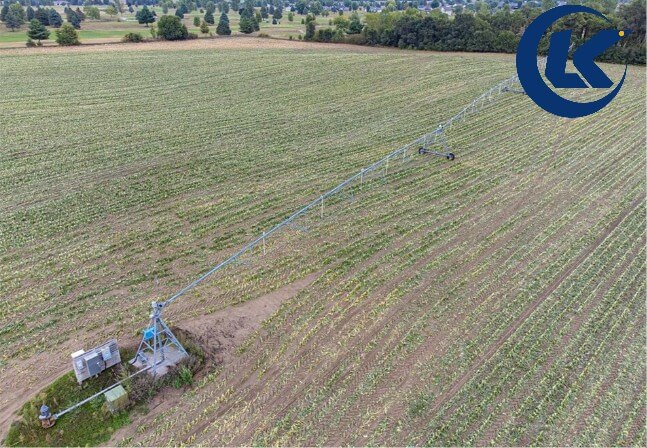
Application and product illustrations; these photographs do not show a completed customer project.
A farm contractor is preparing a buried pipeline network to convey water from a pump station to several irrigation zones. The initial enquiry requests PVC mainline pipe, smaller branch pipes and connecting fittings, but lists only nominal sizes and total lengths.
This is an illustrative procurement case, not a completed Lukuang customer project. No customer, location, delivery result or savings figure is claimed. The purpose is to show what a buyer should resolve before placing a mixed pipe-and-fittings order.
The pipe quantities may be correct while the connection details remain unclear. Which diameter series does the drawing use? Are the branches pressure-rated? Which adapters connect to the pump, filters and zone valves? Are gaskets or jointing materials included?
These open items make supplier quotations difficult to compare. The contractor needs a schedule that identifies both the pipe and every change of direction, branch, size and equipment connection.
Begin with the approved layout. Give the mainline and each branch a reference, then list its pipe standard, outside diameter or dimension series, pressure requirement, total length and preferred supplied length. Keep fittings on separate lines with quantities.
Include a connection schedule for pumps, filters, valves and irrigation equipment. A drawing or clear photograph of an existing interface is more useful than a request for an unspecified “matching adapter”. The designer should determine flow requirements and pipe sizing; the purchasing list records that decision.
Pump operation, elevation changes, temperature and pressure transients need to be considered for the actual system. Do not select a pipe solely from the pump’s normal operating pressure or substitute nonpressure drainage pipe because its size looks similar.
The USDA NRCS Irrigation Pipeline standard addresses hydraulic conditions, surge and temperature-adjusted pipe ratings. It is a US conservation-practice reference, not automatic approval for a project elsewhere. Use the applicable local requirements and the project engineer’s approved specification.
Identify whether the specified PVC system uses gasketed joints, solvent-cement joints or another approved connection. Ask the supplier to confirm dimensional and pressure compatibility for the exact pipe and fittings offered. Metric and inch designations should not be treated as interchangeable without checking the governing dimension series.
For gasketed pressure-pipe systems, the Uni-Bell installation guide covers handling, cleaning, joint assembly and acceptance testing. Follow the selected manufacturer’s instructions for the actual products. Have the designer specify any required thrust restraint and arrangements at valves and changes of direction.
Before order confirmation, request an itemised packing proposal tied to the BOQ references. Ask how different pipe sizes and fittings will be labelled, how the supplied lengths will be protected and what packing list will accompany the shipment.
Agree the inspection scope and document requirements. On receipt, the buyer should be able to reconcile quantities and product markings against the order and record visible damage. A product photograph illustrates appearance; it does not establish pressure performance or replace the agreed inspection records.
The original request becomes a quotation package organised by zone: specified pipe, counted fittings, identified equipment interfaces and agreed packing and delivery requirements. Each supplier can state inclusions and exclusions against the same list.
This is a procurement deliverable, not a claimed installation result. Water savings, operating performance and project cost reductions cannot be inferred from a pipe quotation and are not claimed in this example.
✅Application: agricultural irrigation water conveyance
✅Project destination: country and port or delivery address
✅Approved pipe standard and dimension series: attach specification
✅Mainlines and branches: diameter, pressure class, total length and supplied length
✅Fittings: type, size, quantity and joint system
✅Pump, filter and valve interfaces: drawing or connection details
✅Required documents and inspection: list project requirements
✅Packing, trade terms and target delivery window: state your requirements
Please quote each item separately and identify included accessories, exclusions, available specifications, production lead time and quotation validity. If a design parameter is unresolved, mark it for confirmation rather than assuming a value.
Send Lukuang your BOQ or layout together with pipe sizes, quantities and destination. Ask for confirmation of the proposed supply scope for PVC pipe and matching fittings. Product availability, documentation and delivery terms are confirmed for the actual quotation.

